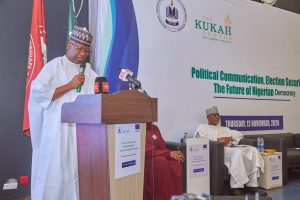
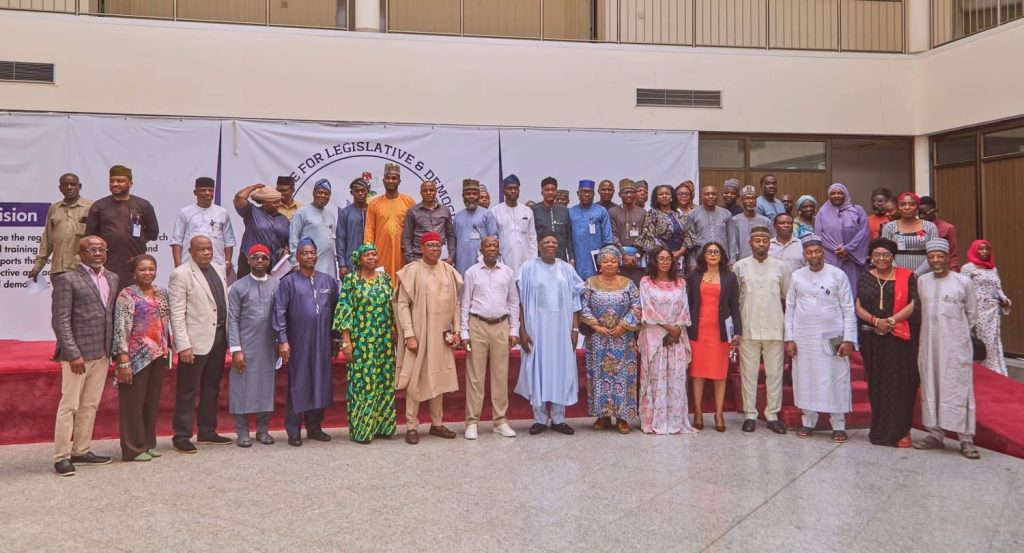
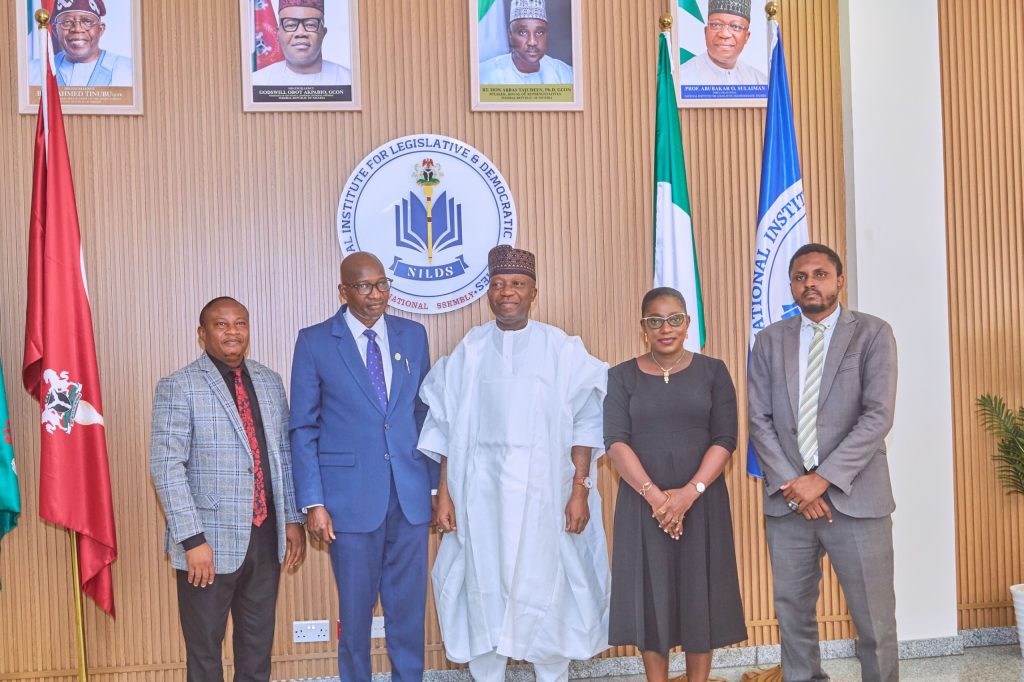
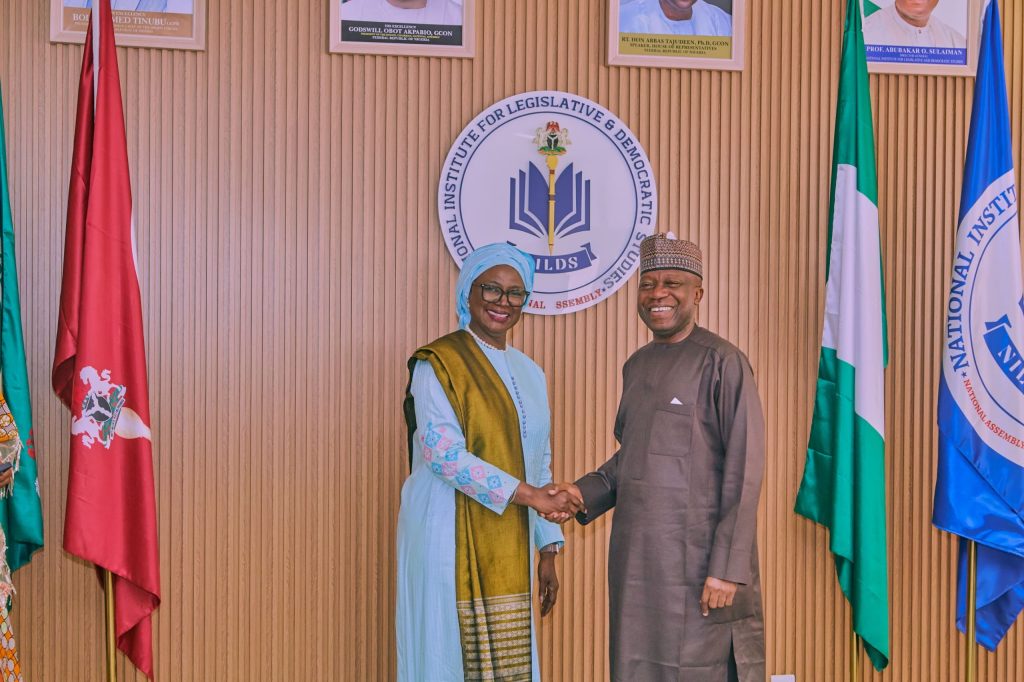
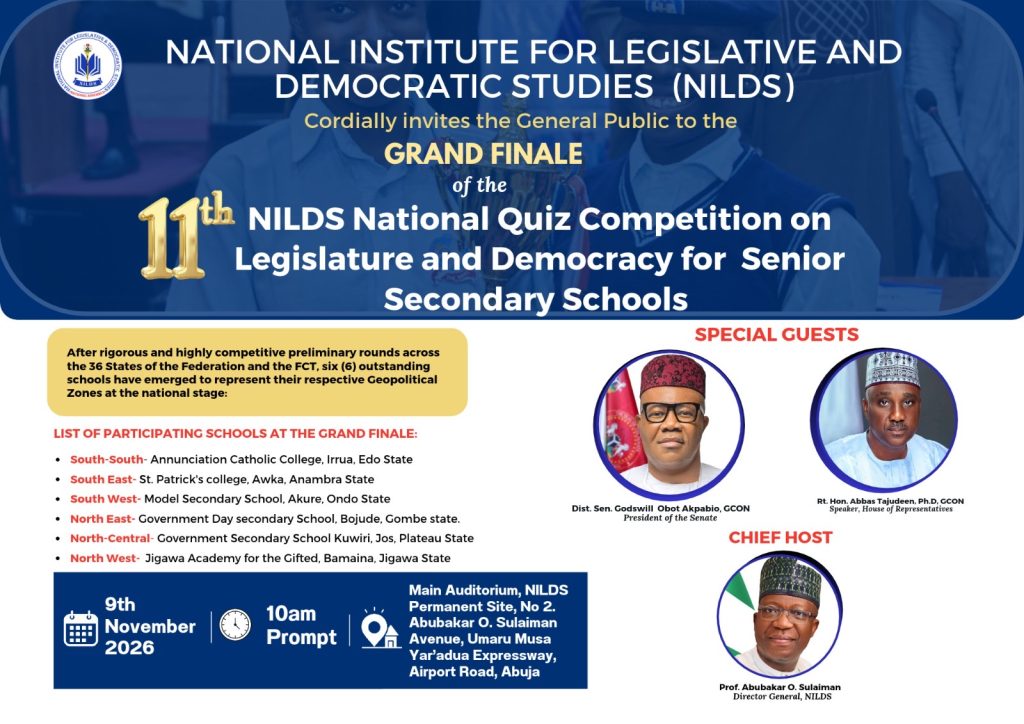
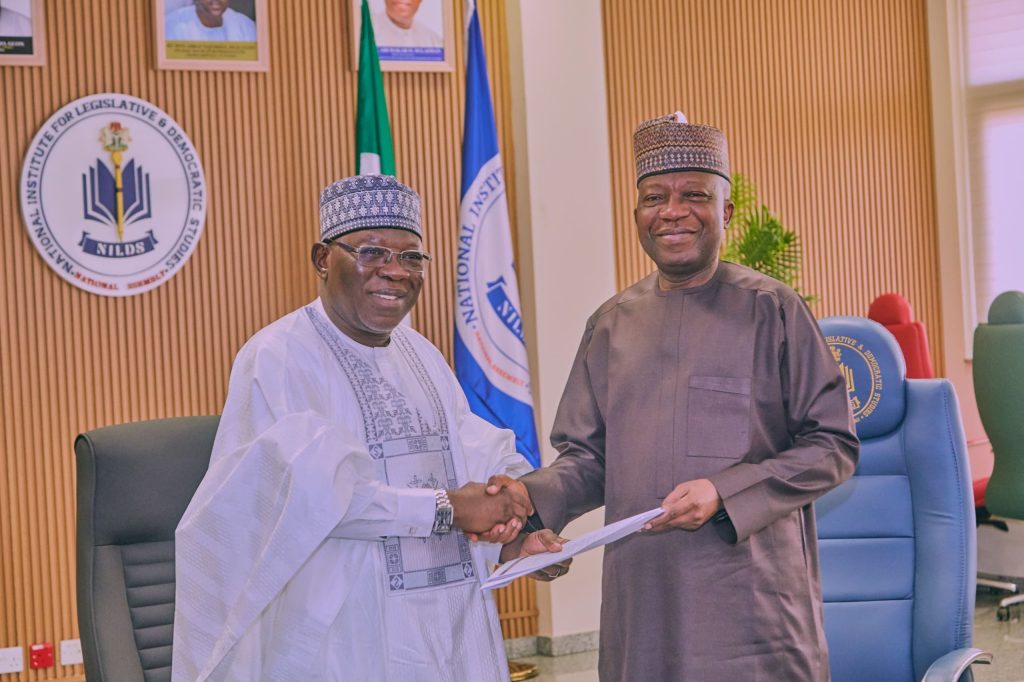
Speakers at a public symposium organised by the National Institute for Legislative and Democratic Studies (NILDS) and the Kukah Centre for Faith and Leadership Research on Thursday, 12 November 2026, warned that disinformation, hate speech and negative campaigning pose serious threats to Nigeria’s democracy ahead of the 2027 general elections.
The symposium, themed “Political Communication, Election Security and the Future of Nigerian Democracy,” was co-funded by the European Union and brought together political stakeholders, academics, security agencies and civil society representatives to examine the impact of political communication on electoral security.
In his opening remarks, the Director General of NILDS, Prof. Abubakar O. Sulaiman, said credible elections depend not only on physical security but also on responsible communication and a safe information environment. He urged political actors and the media to promote peaceful campaigns, while calling on INEC and security agencies to ensure timely and credible public communication.
Chairman of the symposium and former INEC Chairman, Prof. Attahiru Jega, urged Nigerians to scrutinise political information and actively defend democratic values. He also called on political leaders to promote a national vision that unites citizens beyond ethnic and religious divisions.
Founder of the Kukah Centre and Catholic Bishop of Sokoto, Most Rev. Matthew Hassan Kukah, stressed that public trust in elections depends on effective communication, transparency and consistent engagement by electoral institutions. He called for issue-based campaigns, responsible media reporting and coordinated efforts by government, security agencies and civil society to tackle misinformation and hate speech.
Political activist Aisha Yesufu called for strict adherence to the rule of law, an independent INEC and security agencies committed to the Constitution rather than partisan interests. She described the 2027 elections as a fight for the “soul of Nigeria” and urged citizens to defend their democratic rights.
Presenting a paper, Prof. Ibrahim Jibo highlighted how social media has transformed political communication, creating opportunities for participation while making it easier to spread falsehoods, character attacks and divisive narratives. Similarly, Prof. Okechukwu Ibeanu warned that negative campaigning weakens public trust, fuels ethnic tensions and discourages voter participation.
During the panel discussion, participants raised concerns about the credibility of the voters’ register, public participation in electoral reforms and accountability for political incitement. Prof. Jega, however, expressed confidence in the safeguards provided by INEC’s voter accreditation technologies, including the Bimodal Voter Accreditation System (BVAS).
The speakers emphasised that credible elections require more than the efforts of INEC, stressing the shared responsibility of political parties, public institutions, the media, security agencies and citizens in protecting Nigeria’s democratic process.