National Institute for Legislative and Democratic Studies (NILDS) has institutionalised a quarterly staff training and development programme to strengthen workforce capacity, improve professional competence and promote continuous learning across the Institute.
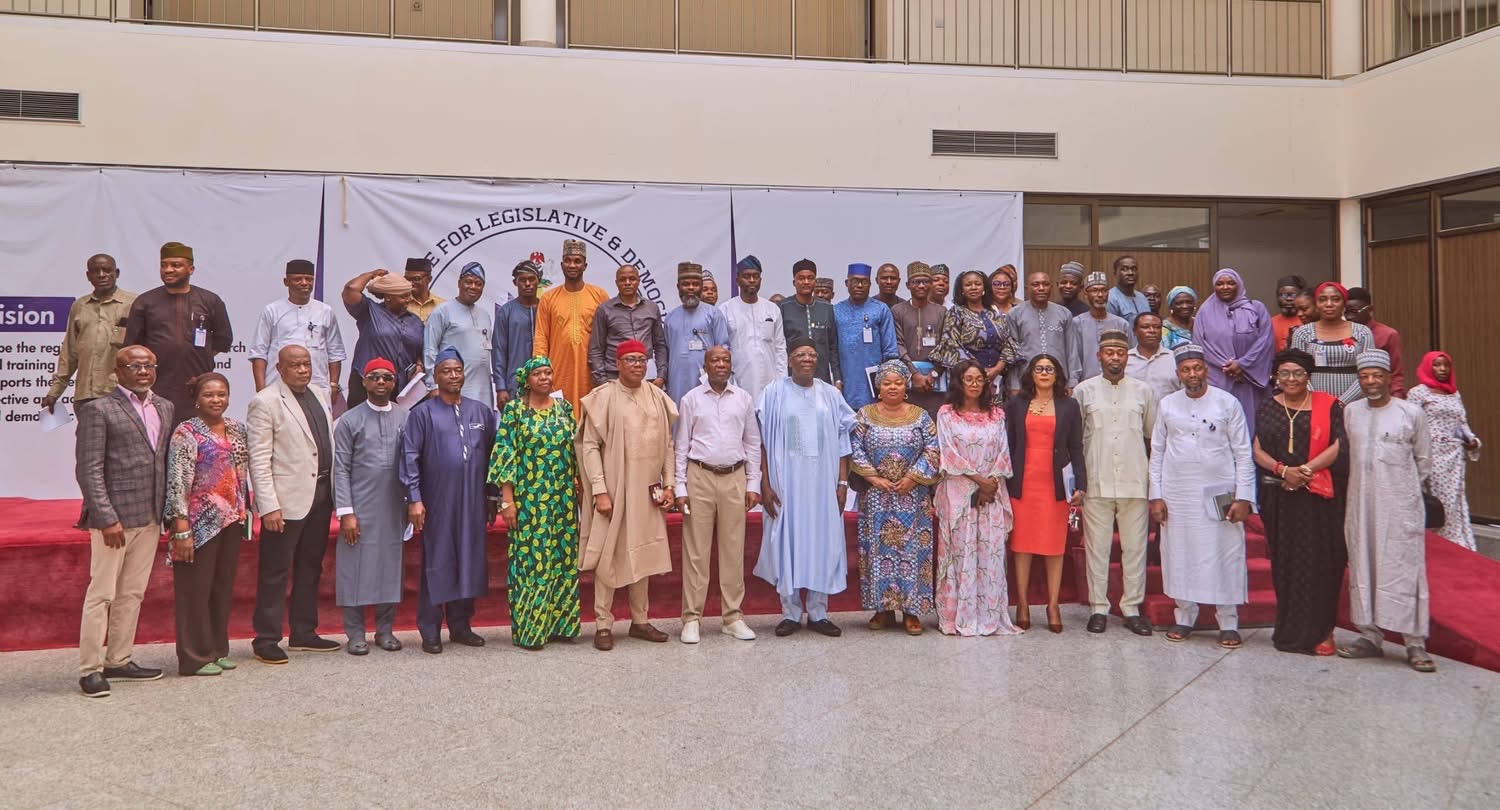
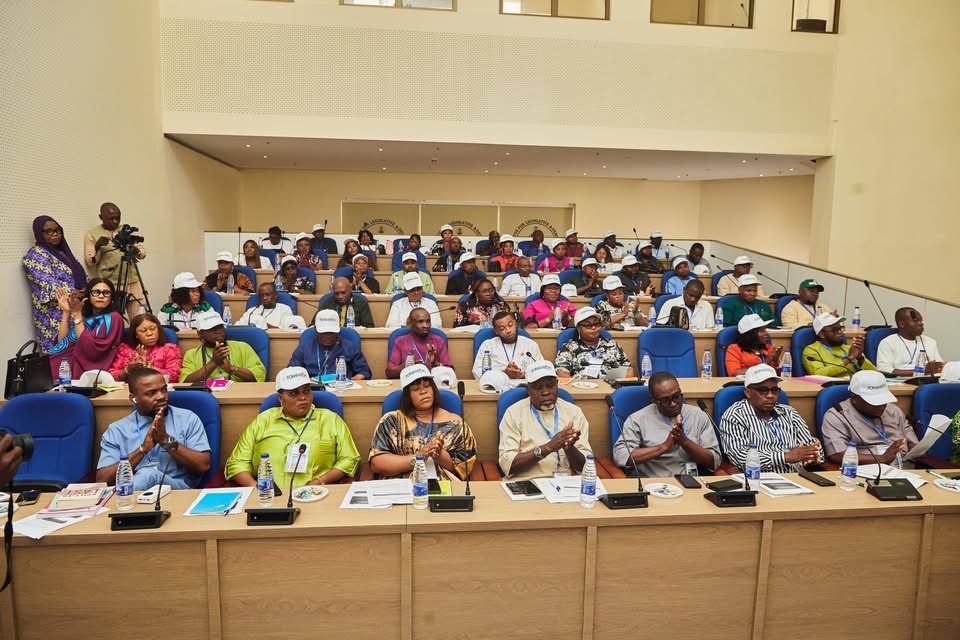
The Director General of NILDS, Prof. Abubakar O. Sulaiman, announced this during the opening of the maiden edition of the programme in Abuja, which was attended by Dr. David Okoha, Permanent Secretary, Legislative Budget and Planning, who represented the Clerk to the National Assembly, Mr Patrick Giva who represented the chairman National Assembly service commission (NASC) with other distinguished guests and resource persons.
Prof. Sulaiman described staff development as a vital investment in institutional growth, effective governance and nation-building. He explained that the initiative provides a structured framework for identifying and addressing gaps in staff knowledge, skills and abilities, making professional development a continuous institutional priority.
He noted that training improves work quality, reduces productivity bottlenecks, strengthens employees’ competencies and encourages innovation. A well-trained workforce, he added, is essential to the Institute’s ability to provide effective legislative support and contribute to democratic governance.
The Director General recalled that NILDS had organised several capacity-building programmes for both research and non-academic staff during his first tenure, stressing that the new initiative builds on the Institute’s existing commitment to staff development through a structured quarterly framework.
He said the programme is guided by the philosophy of “training the trainer,” which encourages participants to share acquired knowledge, transfer practical skills and apply lessons learned to improve individual and institutional performance.
According to him, the initiative also aligns with Nigeria’s broader development aspirations, as strong democratic institutions require competent professionals capable of providing timely, credible and evidence-informed legislative support.
The maiden edition covers key areas of institutional and professional development, including ethics and professional responsibilities, the Public Service Rules, human resource management, workplace administration, artificial intelligence and emerging technologies. Participants are grouped into two categories: Grade Levels 07–13 and Grade Levels 14–17.
Prof. Sulaiman encouraged participants to engage actively, exchange experiences and apply the knowledge gained to their daily responsibilities, emphasising that the programme’s success would be measured by its impact on workplace performance rather than attendance alone.
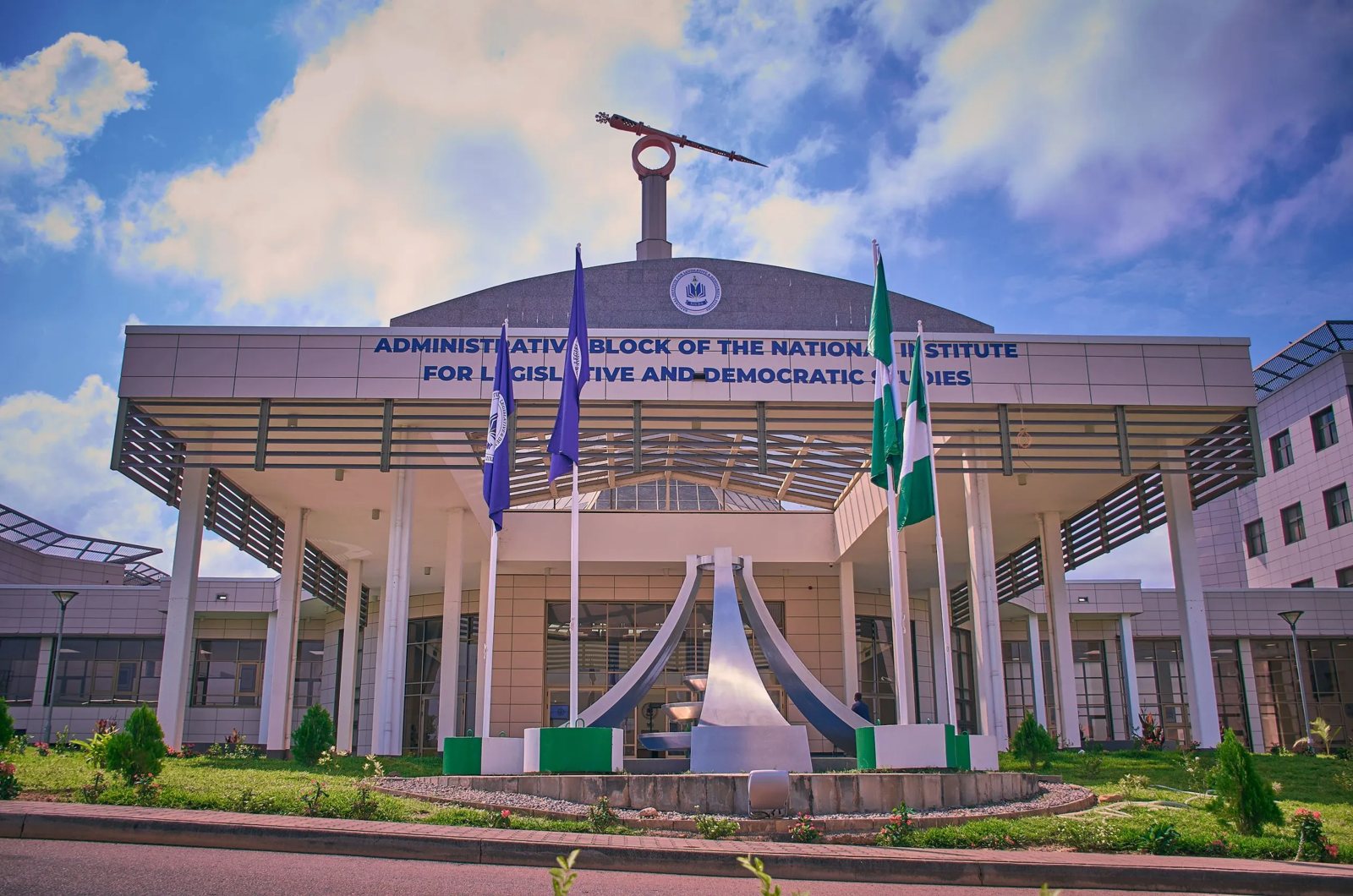
He commended the Department of Administration and Human Resources for organising the programme and appreciated the resource persons for sharing their expertise. He also highlighted the Institute’s ongoing efforts to improve its infrastructure, including the development of solar backup power to address electricity challenges.
The programme equipped staff with practical knowledge and skills across key areas of public service and professional development, including the Public Service Rules, diversity, equity and inclusion, artificial intelligence literacy, personal leadership and career development, financial and pension administration, people management, performance leadership, evidence-based policymaking and emotional intelligence. These sessions were designed to strengthen staff competence, improve workplace effectiveness and prepare personnel to respond more effectively to the demands of modern public service.