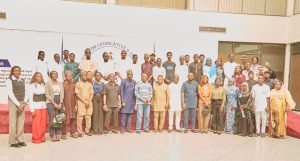
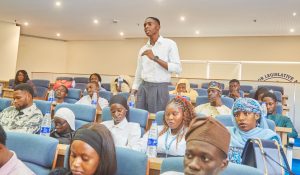
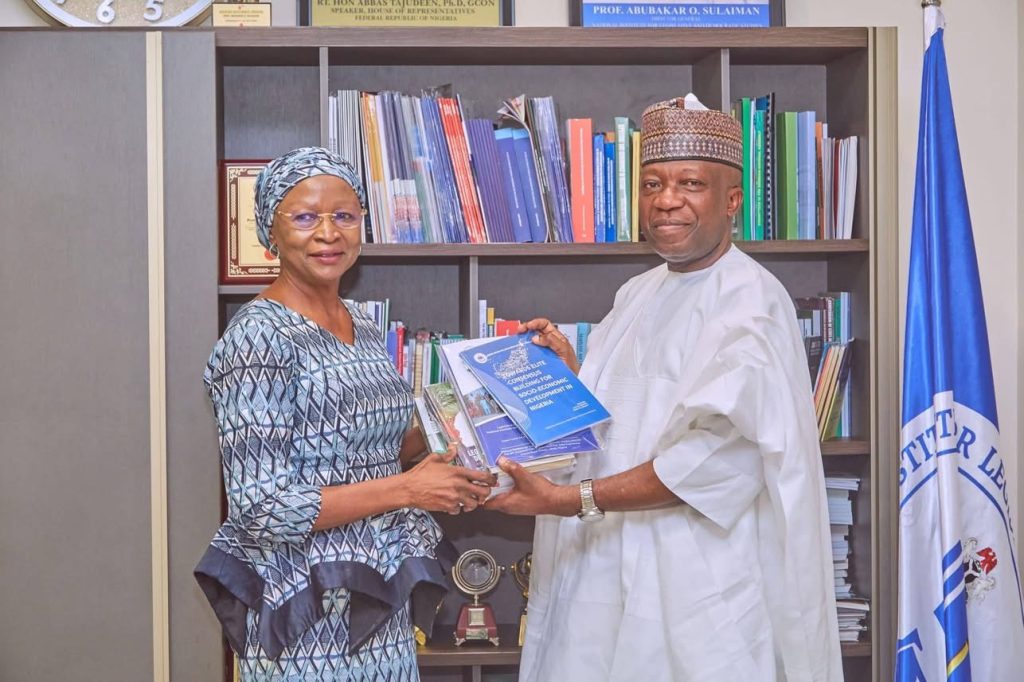
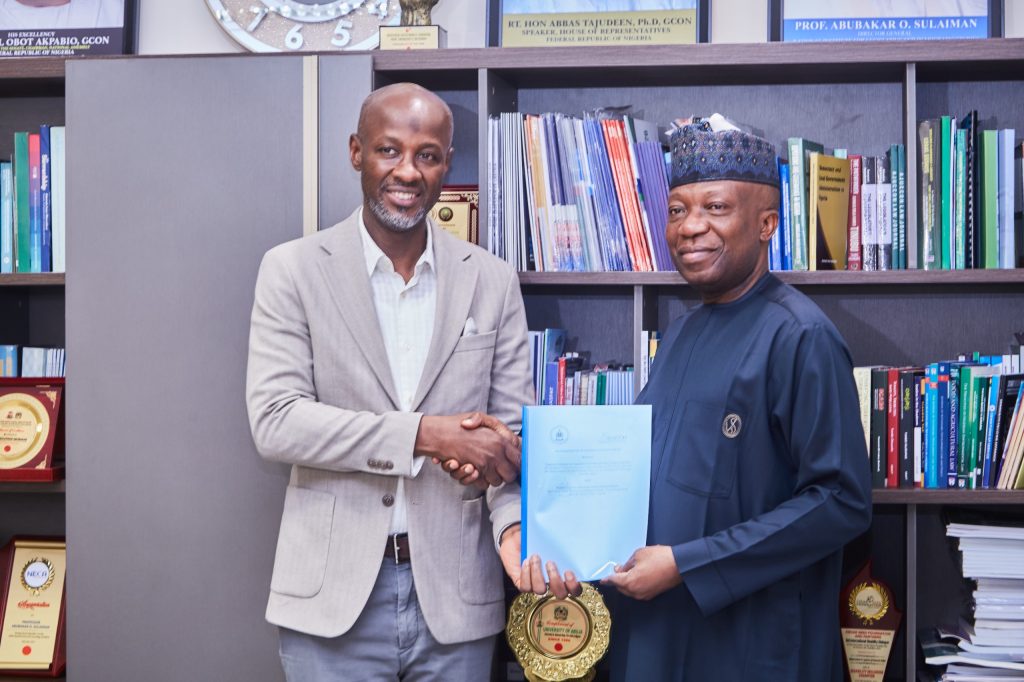
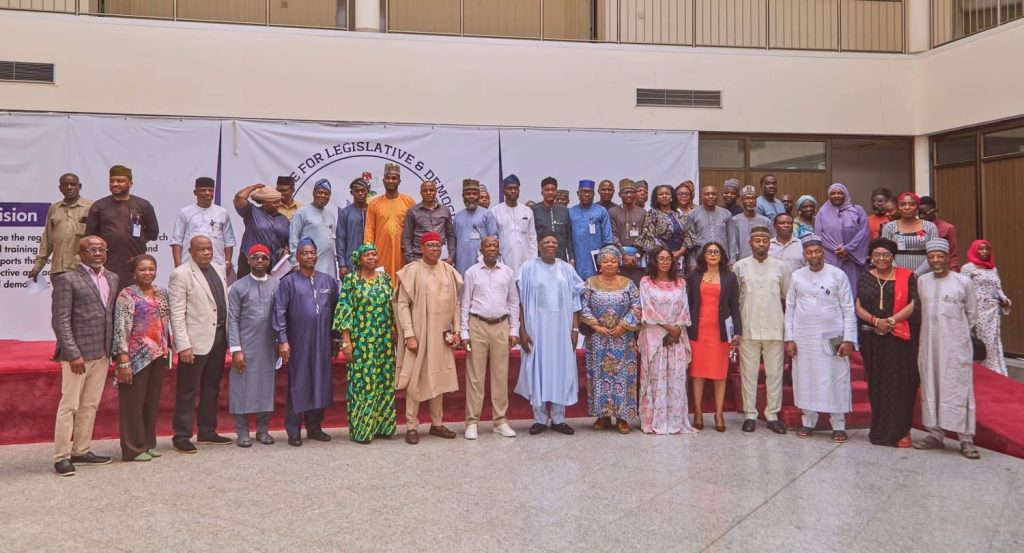
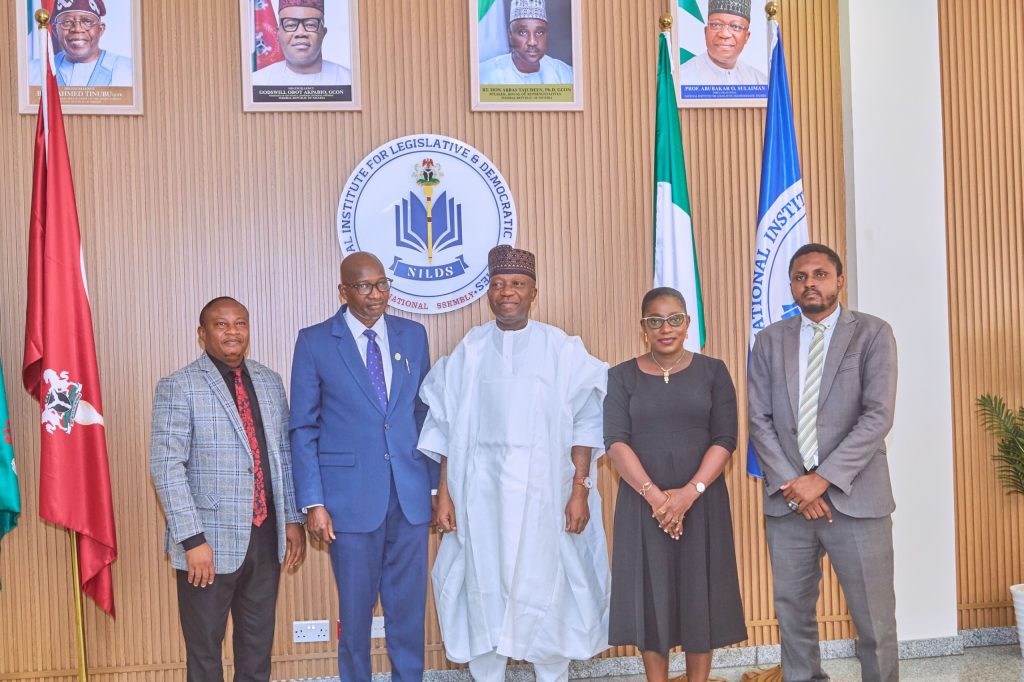
National Institute for Legislative and Democratic Studies (NILDS) has hosted members of the Senate wing of the Student Union Government (SUG), University of Abuja, on a legislative capacity building and study visit aimed at strengthening students’ understanding of legislative processes, democratic governance and leadership development.
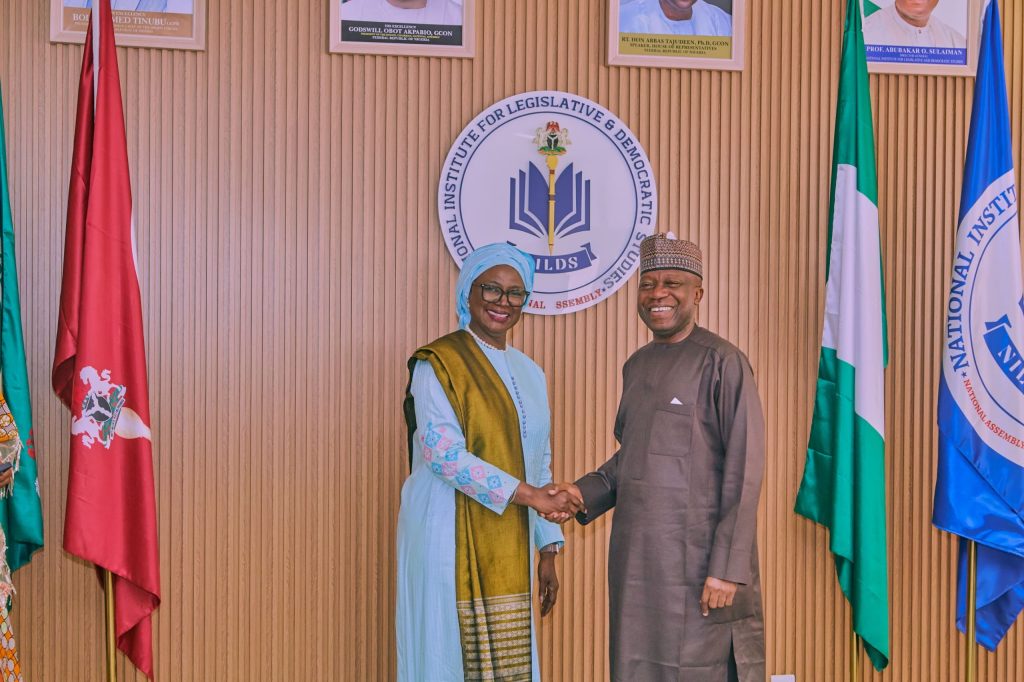
The delegation, headed by Distinguished Senator Jamiudeen Adesina, was received by the Director General of NILDS, Professor Abubakar O. Sulaiman, who highlighted the institute’s mandate, institutional role and contributions to strengthening legislative capacity and democratic institutions in Nigeria.
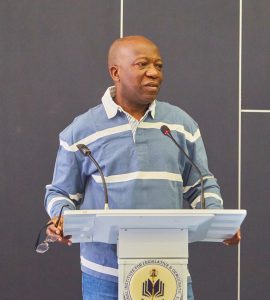
During his presentation, the Director General described NILDS as a research and intellectual think tank of the National Assembly established to bridge knowledge gaps in legislative practice and support lawmakers through research, technical assistance, training and policy development. He explained that the institute also provides support in drafting bills, motions and other legislative documents to promote informed decision-making.
Professor Sulaiman noted that the institute conducts capacity building programmes, workshops, conferences and specialised training for lawmakers and National Assembly committees, while developing toolkits and manuals to guide legislative oversight, accountability and transparency, particularly in public fund utilisation.
He also highlighted the institute’s academic programmes in parliamentary studies, including postgraduate training, as part of efforts to develop a pool of professionals with specialised knowledge of legislative administration and democratic governance.
The Director General emphasised the importance of effective legislative oversight in promoting accountability and strengthening public institutions. He noted that research and evidence-based policy engagement remain critical to addressing national challenges, including insecurity, political instability and threats to democratic development.
He identified issues such as election violence, political instability and security challenges as areas requiring proactive attention, stressing the need for preventive and non-kinetic approaches to conflict management before situations escalate.
Professor Sulaiman further explained that NILDS collaborates with local and international organisations, academic institutions, civil society groups and development partners to strengthen its research and training activities. He referenced the institute’s partnerships with institutions and organisations, including Oxford, the London School of Economics and other academic and development bodies.
The institute, he added, also serves as a platform for parliamentary engagement across Africa, hosting delegations and facilitating training for legislative institutions from countries including Ghana, The Gambia, Liberia, Sierra Leone, South Africa and Somalia.
Speaking on youth development, the Director General highlighted NILDS’ commitment to nurturing young professionals through internship, mentorship and National Youth Service Corps (NYSC) programmes.
He disclosed that the institute runs legislative drafting internship programmes for law graduates, training approximately 90 interns annually through three sessions. He also explained that its leadership mentorship initiatives identify promising young people from internship, fellowship and NYSC programmes based on merit and talent.
The institute, he said, accommodates about 60 to 70 corps members annually and places emphasis on their training, welfare, professional development and ethical conduct.
Professor Sulaiman urged students to prioritise knowledge acquisition, academic excellence and character development, noting that student unionism could provide valuable leadership experience but should not overshadow the primary purpose of university education.
He also stressed the importance of integrity, accountability and zero tolerance for extortion and other unethical practices, urging young people to embrace responsible leadership and constructive engagement.
On conflict resolution, he encouraged students to adopt dialogue, alternative dispute resolution mechanisms and lawful processes in addressing grievances, rather than resorting to violence or actions capable of disrupting academic activities.
In his appreciation remarks, Distinguished Senator Jamiudeen Adesina commended the institute for the insightful engagement and expressed the delegation’s interest in establishing a lasting institutional relationship between the University of Abuja Student Senate and NILDS.
He proposed a structured learning and leadership development programme for students, potentially through the institute’s Leadership Mentorship Initiative (LMI) or other existing programmes, to equip young people with deeper knowledge of legislative practice, democratic governance and public leadership.
Adesina emphasised the importance of knowledge as a tool for personal growth and societal transformation, expressing the Senate’s readiness to collaborate with the institute on curriculum development and educational initiatives that would prepare aspiring leaders for public service and governance.
He noted that the visit should mark the beginning of sustained engagement between the University of Abuja and NILDS, with the aim of creating opportunities for continuous learning, mentorship and democratic leadership development among students.
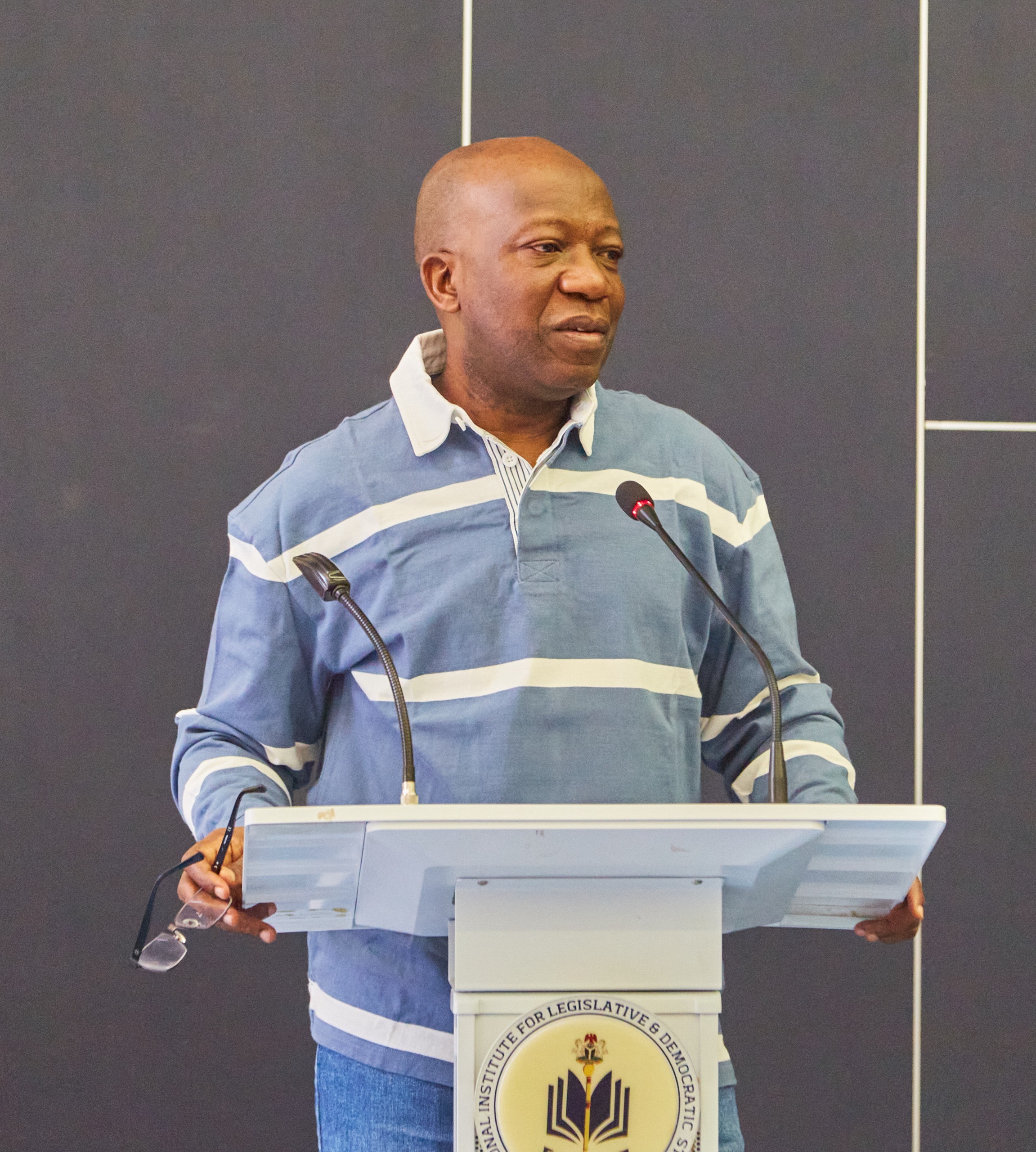
The visit also featured an earlier lecture delivered by Dr. Patrick Nnadozie Udefuna, a Research Fellow in the Department of Democracy and Governance, on “Youths and Democratic Governance in Nigeria.”
The engagement underscored the importance of strengthening collaboration between academic institutions and legislative research bodies in promoting civic awareness, democratic participation, ethical leadership and the development of future public leaders.