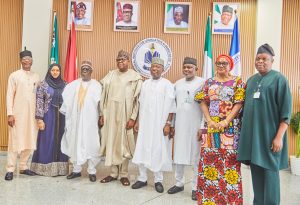
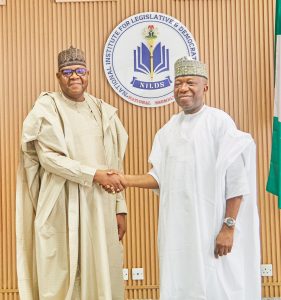
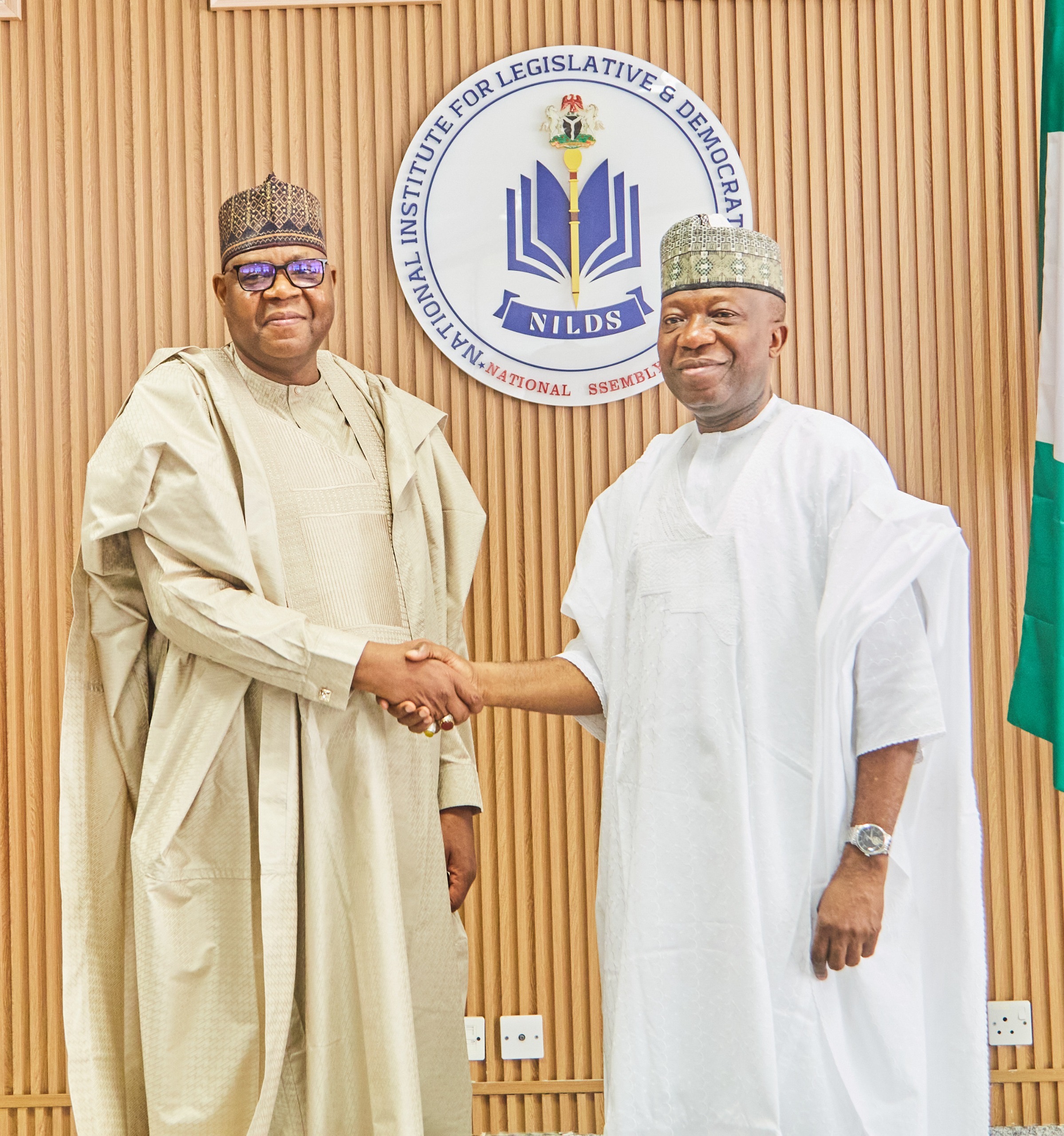
Friday, 13 November 2026: National Institute for Legislative and Democratic Studies (NILDS) and the Clerk of the House of Representatives have reaffirmed their commitment to strengthening institutional collaboration, enhancing legislative capacity and preserving parliamentary knowledge to promote effective legislative administration and democratic governance.
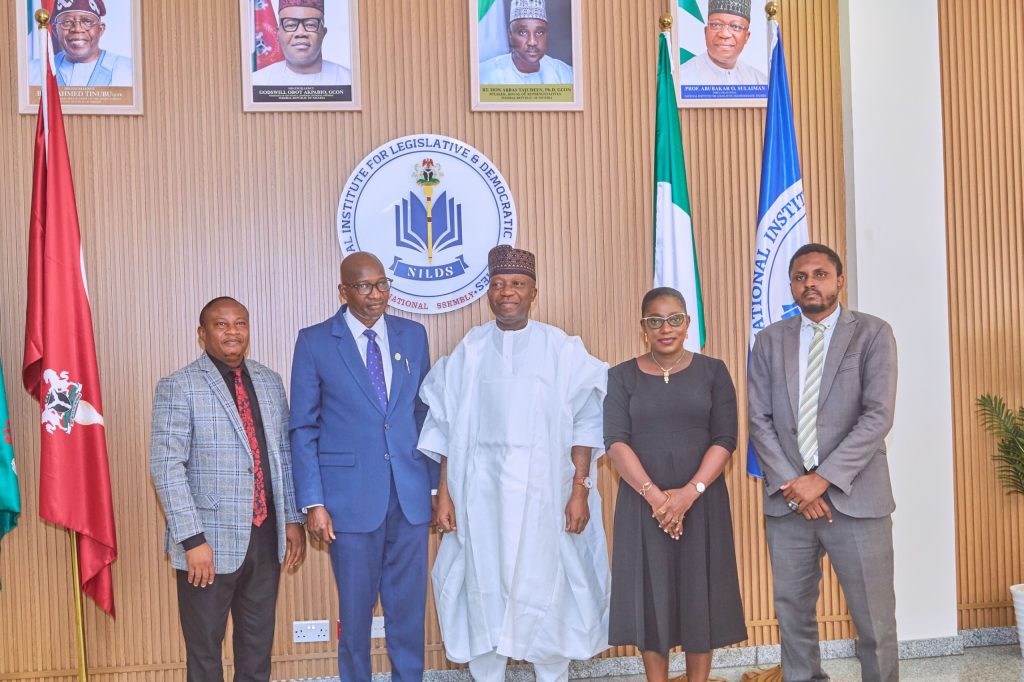
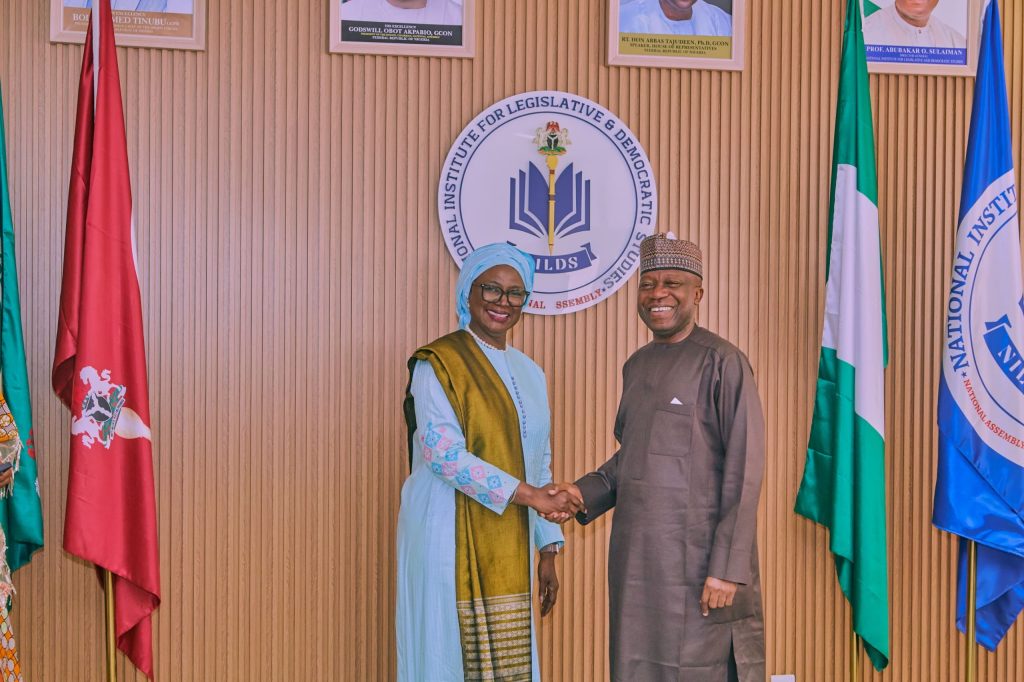
The commitment was reaffirmed during a strategic engagement between the Clerk of the House of Representatives and the Institute, where both institutions explored opportunities to deepen collaboration in training, legislative research, documentation, parliamentary diplomacy and institutional development.
Speaking during the engagement, the Director General of NILDS, Prof. Abubakar O. Sulaiman, highlighted the Institute’s statutory mandate to provide specialised training for parliamentarians and parliamentary staff. He described NILDS as a critical repository of parliamentary knowledge and expertise, emphasising its strategic role in strengthening legislative institutions.
The discussions underscored the need for specialised knowledge in parliamentary administration beyond conventional academic training, particularly in view of the significant turnover of legislative personnel following elections. Participants stressed the importance of preserving institutional memory to ensure continuity in legislative processes, from bill initiation to presidential assent, while adequately preparing incoming parliamentarians and parliamentary staff for the 11th Assembly.
To advance the proposed partnership, participants recommended the establishment of a joint technical committee to develop a comprehensive roadmap for collaboration and the implementation of agreed initiatives.
Capacity building emerged as a key area of collaboration, with particular emphasis on specialised training for committee clerks, departmental personnel and legislative administrators.
The Clerk of the House of Representatives expressed interest in leveraging the Institute’s expertise to support parliamentary exchange programmes, professional development workshops, and technical assistance in developing an operational manual and a comprehensive status report on the 10th Assembly. These documents are expected to serve as institutional reference materials for the incoming 11th Assembly.
The proposed legislative summit for committee clerks was also identified as a critical intervention ahead of the transition to the 11th Assembly. The programme is expected to equip clerks with a sound understanding of their constitutional responsibilities, promote professionalism and expose participants to best parliamentary practices, thereby minimising procedural errors and strengthening legislative processes.
The engagement further highlighted the need to address anticipated staff turnover through structured training programmes and continuous professional development to sustain institutional efficiency and competence.
The engagement also highlighted NILDS’ expanding capacity in advanced executive education and legislative research. The Institute’s newly approved Centre for Advanced Executive Programmes, supported by a ₦1 billion TETFund intervention, is expected to provide specialised training for senior legislative officials, including directors and other high-level administrators.
NILDS also outlined plans to develop a Security Sector Reform Oversight Toolkit to strengthen the capacity of parliamentary committees to exercise effective oversight of security institutions. The toolkit is expected to be available by December or January.
Participants encouraged greater involvement of the Institute in parliamentary summits and policy engagements, particularly through its expertise in security analysis, legislative research and policy development.
The discussions further underscored the need to coordinate international engagements and donor-supported legislative initiatives through established institutional channels.
The Institute’s role in facilitating parliamentary diplomacy and hosting delegations from other African countries was acknowledged, alongside the importance of strengthening partnerships with international organisations and development partners, including the European Union, the United Nations Development Programme and the ECOWAS Parliament.
Participants noted that centralising international facilitation through NILDS would promote institutional coherence, minimise duplication of efforts and enhance the effectiveness of external partnerships and development.
The engagement concluded with a renewed commitment by the Clerk’s leadership to support initiatives aimed at strengthening NILDS’ statutory mandate and expanding its contribution to legislative development.
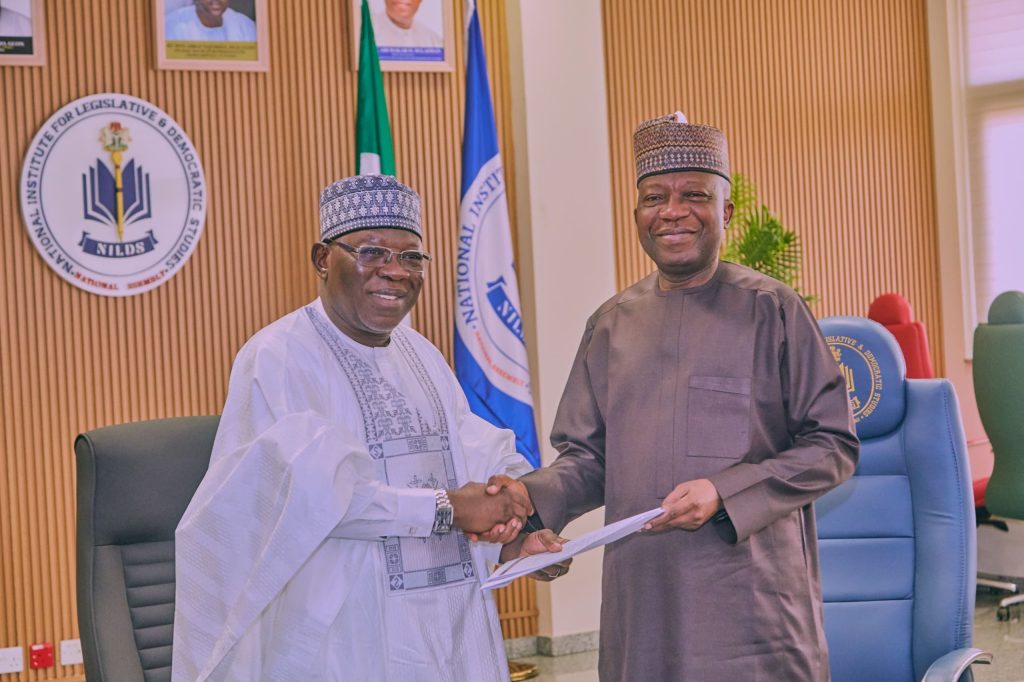
The presentation of the Institute’s journals to the Clerk of the House of Representatives formed part of the concluding activities.
The proposed collaboration is expected to enhance institutional synergy, strengthen legislative capacity, preserve parliamentary knowledge and support the effective functioning of the National Assembly as both institutions prepare for the 11th Assembly.