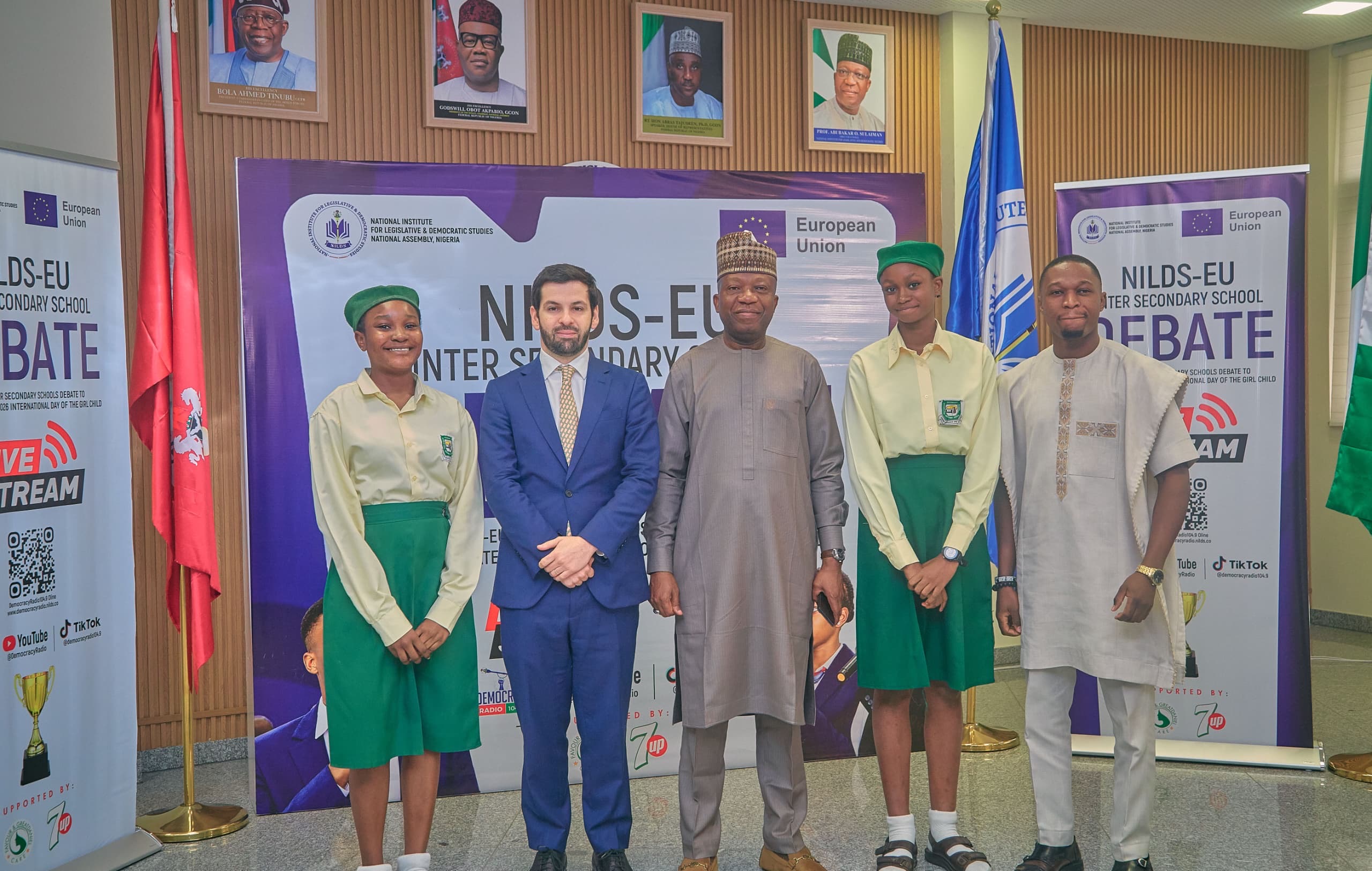
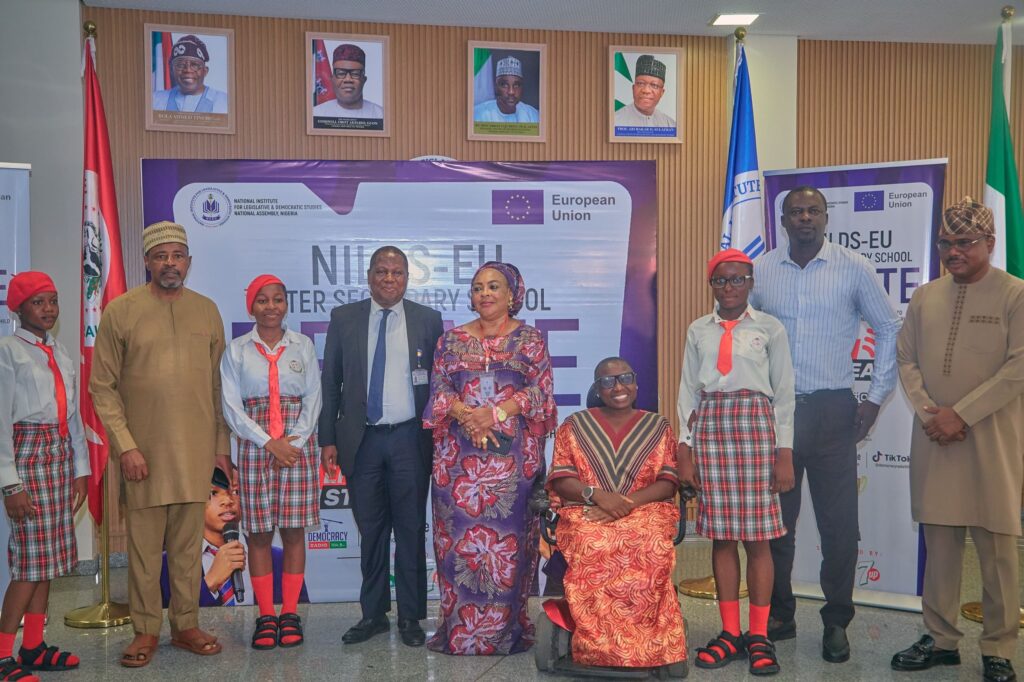
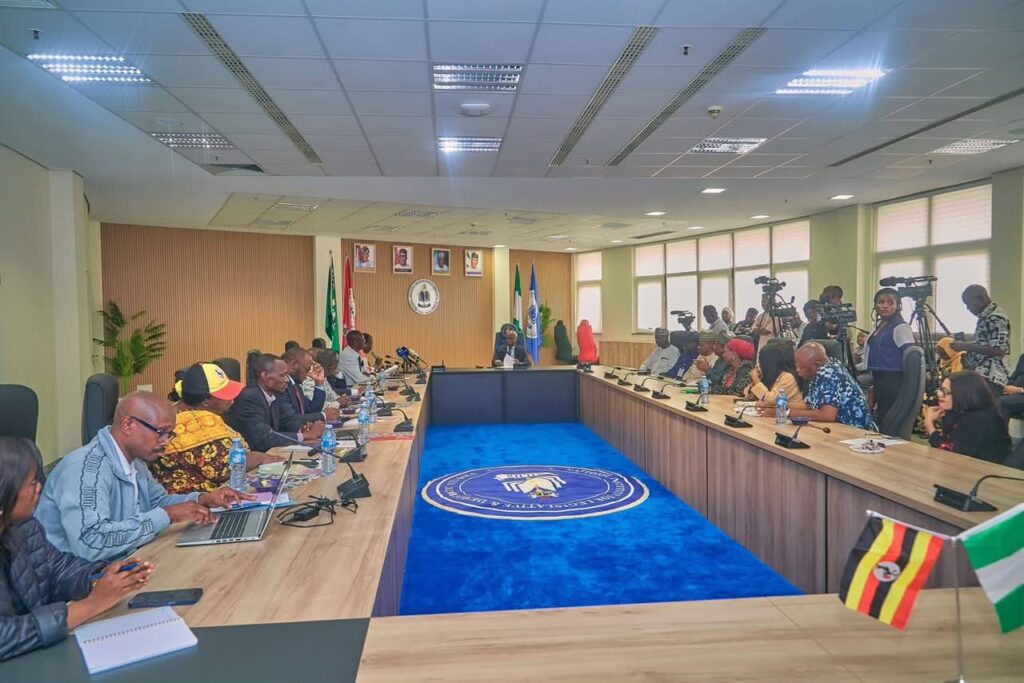
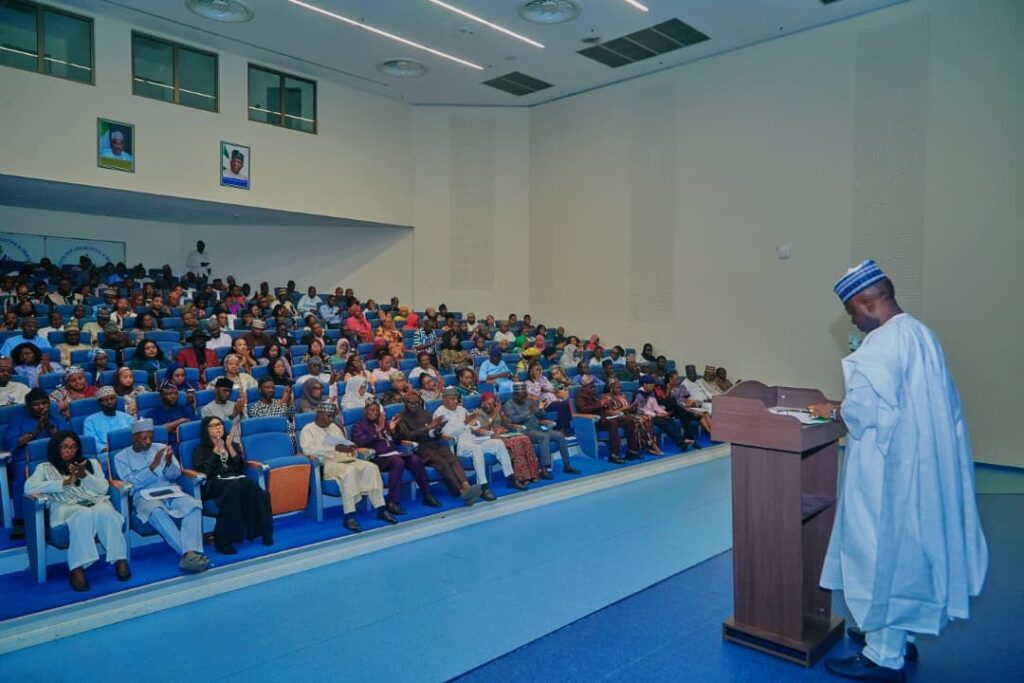
National Institute for Legislative and Democratic Studies (NILDS), in collaboration with the European Union (EU) Delegation to Nigeria, has held the second stage of the Inter-Secondary School Debate Competition organised in commemoration of the 2026 International Day of the Girl Child.
The debate, held yesterday, October 5, 2026, is part of activities leading to the commemoration of the International Day of the Girl Child, marked annually on October 11. This year’s celebration is being held under the theme, “Ending Child Marriage and Investing in Girls’ Rights.””
The second stage featured six secondary schools from the Federal Capital Territory (FCT), competing across three debate topics focusing on women’s political representation, gender equality, and access to opportunities in the digital age.
The participating schools included Government Girls Secondary School, Abaji, and Government Science School, Maitama, which debated the motion that government is responsible for women’s political representation; Baptist High School, Kubwa, and Pace Setters Academy, Wuye, which considered whether laws are a better driver of gender equality than community action; and Government Day Secondary School, Dutse-Alhaji, and Ambassador Global College, Kwali, which debated the topic, “Boys and Girls Benefit Equally from AI in the Digital Age.”
Speaking at the event, the European Union Representative, Pedro Saraviva, commended NILDS for the partnership with the EU, noting that the initiative provided an important platform for advancing girls’ rights, gender equality and youth empowerment.
Saraviva highlighted the persistent challenges facing girls globally, including child marriage, unequal access to education and gender-based inequalities, and stressing the need for targeted investments to address these challenges. He explained that the EU’s support for the competition formed part of its broader commitment to promoting gender equality through education, health, and leadership.
He noted that the debate was also designed to build confidence, critical thinking, and leadership skills among young people while equipping them to participate more effectively in their communities. He encouraged the students to see the skills acquired through the competition as valuable beyond the event, particularly in their academic pursuits and future civic engagement.
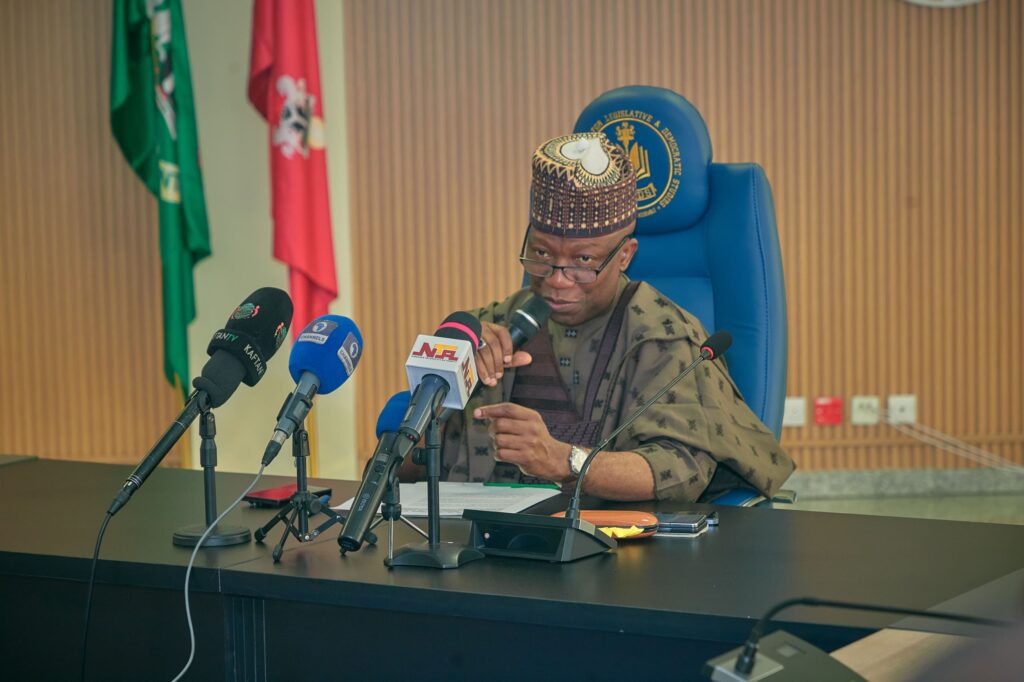
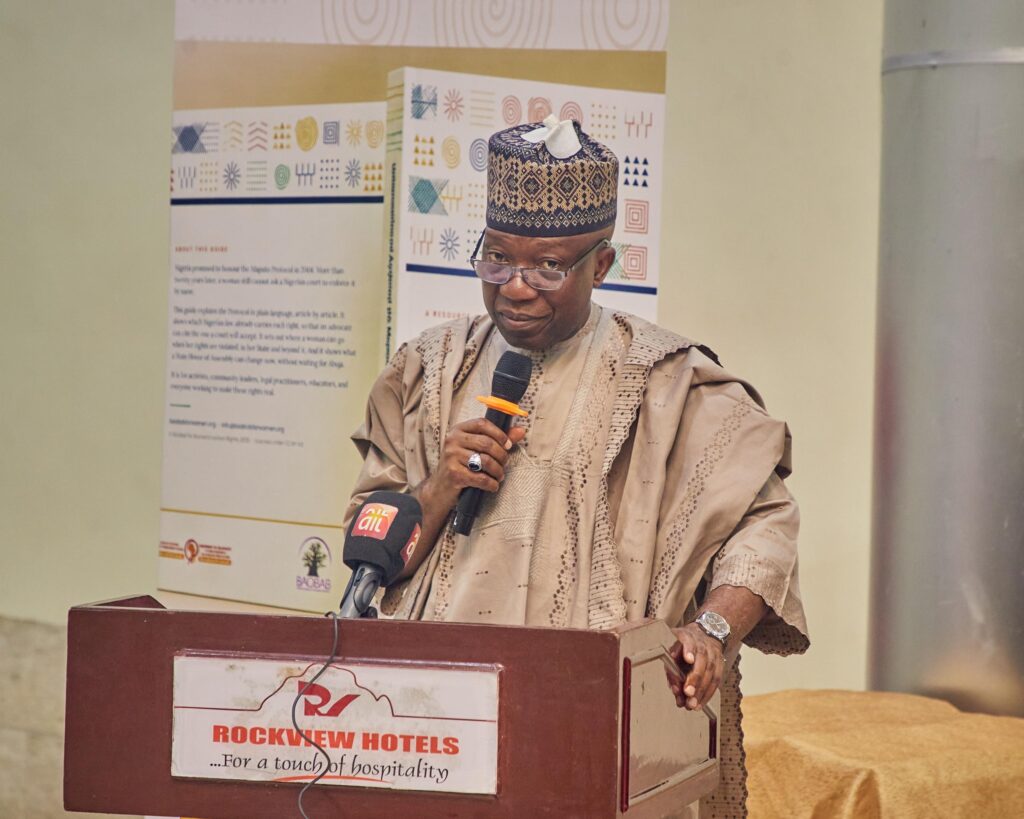
Also speaking, the Director General of NILDS, Prof. Abubakar O. Sulaiman appreciated the European Union for its collaboration and support, describing the debate as an important avenue for grooming young people in democratic values, dialogue, and constructive engagement.
The Director General noted that the Institute had over the years undertaken initiatives aimed at engaging young people through educational competitions, adding that the debate was designed to expose students to democratic principles and enable them to examine issues from different perspectives.
Prof. Sulaiman commended the students for the quality of their presentations, reasoning, and articulation, particularly their ability to support their positions with well-developed arguments. He also praised the strong participation and performance of the female students, stressing the importance of nurturing their abilities and preparing them for future leadership.
He further emphasised that achieving sustainable gender equality required both effective legislation and community ownership, noting that laws would have limited impact where communities were unwilling to embrace the values they promoted.
At the conclusion of the second-stage debates, Government Science School, Maitama, emerged winner of Set One with an average score of 71 per cent, while Baptist High School, Kubwa, won Set Two with 75 per cent. Government Day Secondary School, Dutse-Alhaji, emerged winner of Set Three with an average score of 86.6%
In addition, Ambassador Global College, Kwali, advanced to the next stage as the next-best performing school, recording an average score of 74%
The four schools — Government Science School, Maitama; Baptist High School, Kubwa; Government Day Secondary School, Dutse-Alhaji; and Ambassador Global College, Kwali — will advance to the next stage of the competition, with the grand finale scheduled for October 12, 2026, as part of activities marking the International Day of the Girl Child.