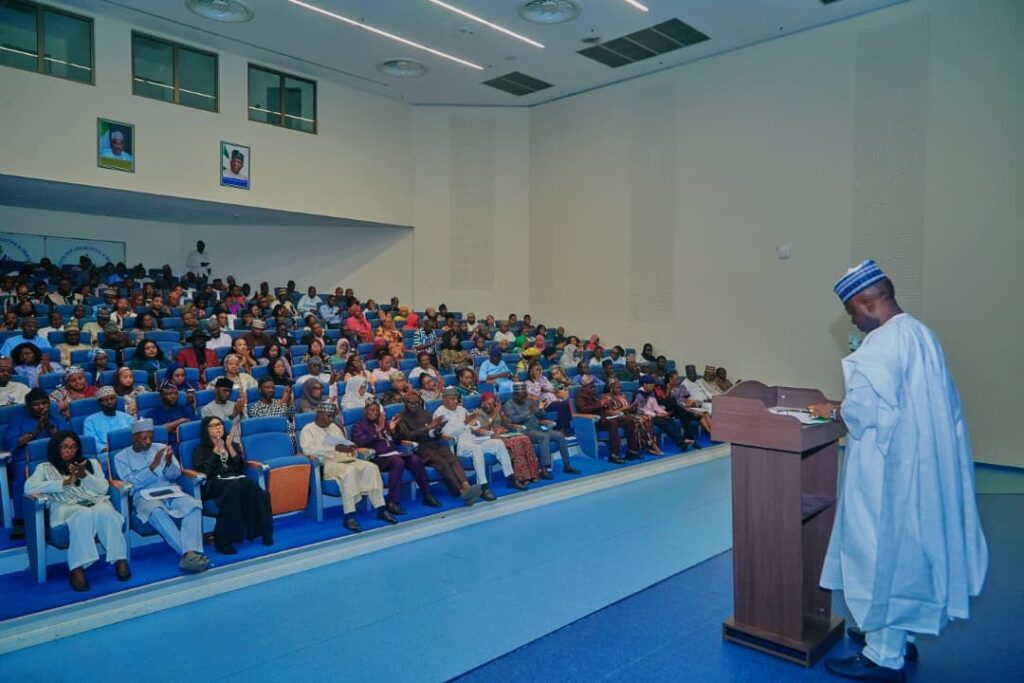
National Institute for Legislative and Democratic Studies (NILDS), in partnership with the European Union (EU), has called for greater investment in the education, protection and empowerment of the girl child as a means of strengthening inclusive development and democratic governance in Nigeria.
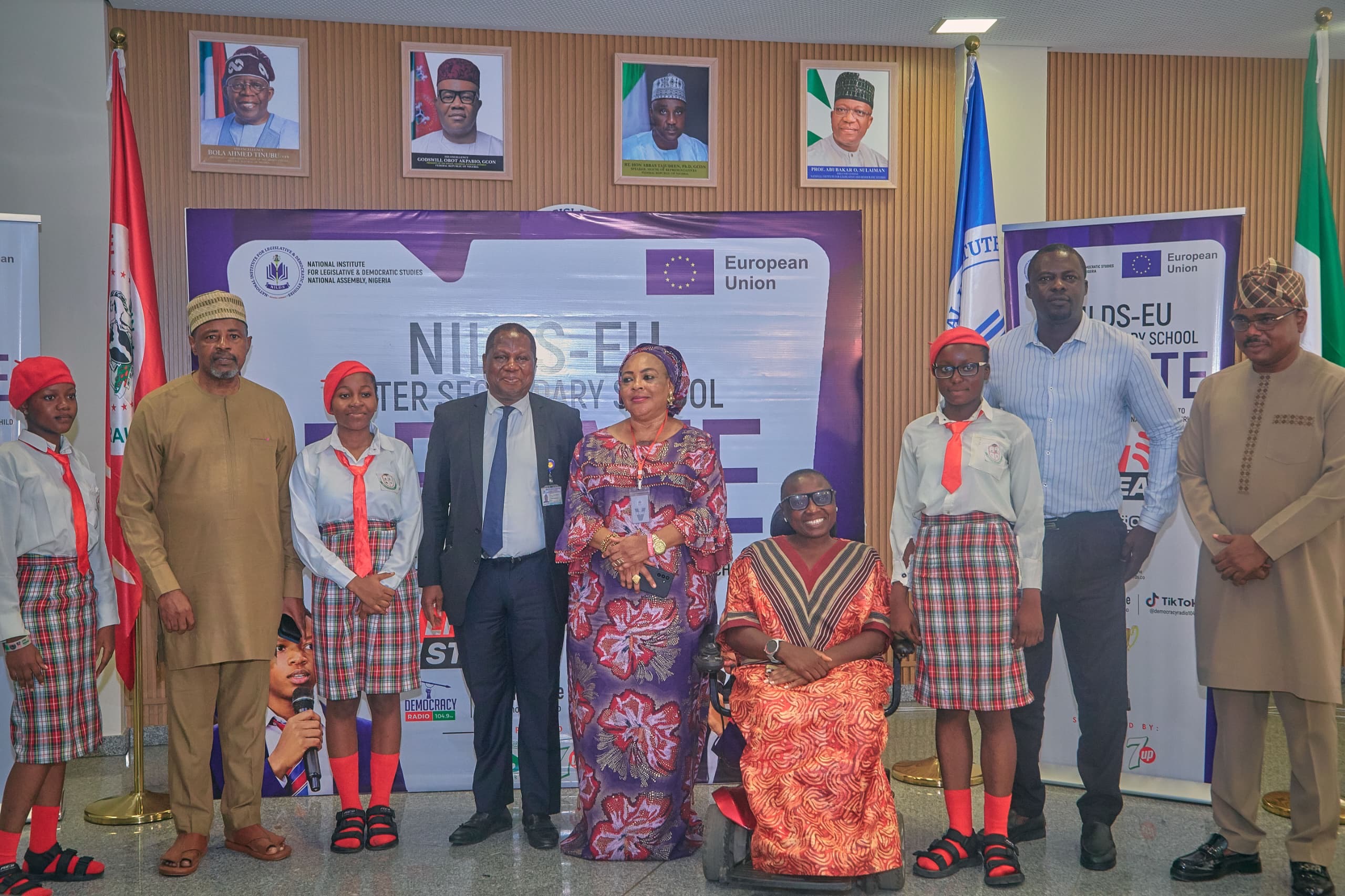
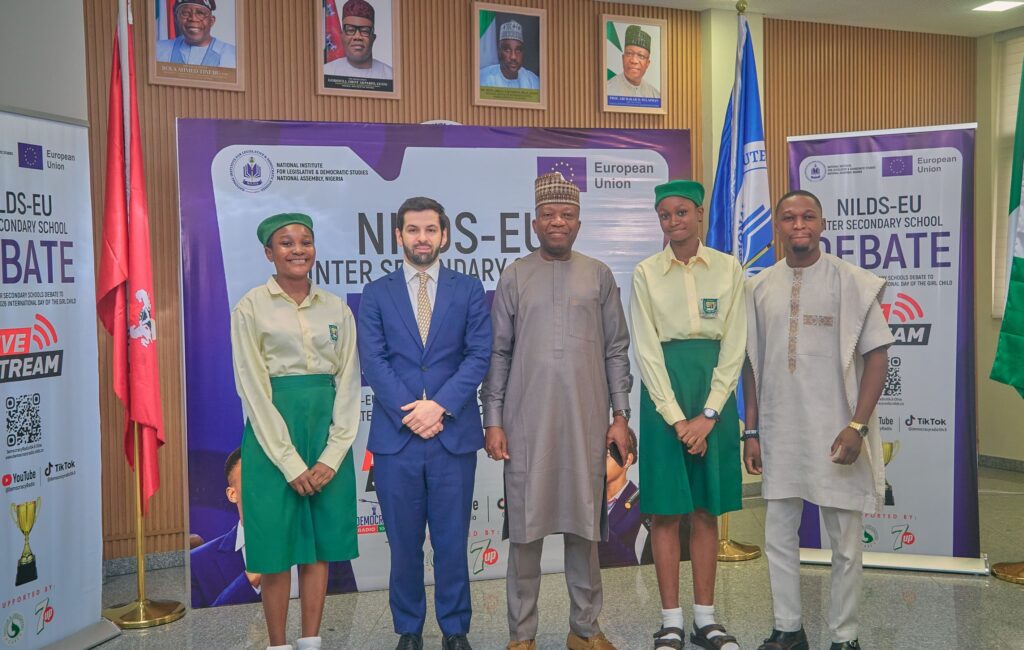
The call was made during an Inter-Secondary School Debate organised by NILDS in collaboration with the EU to commemorate the International Day of the Girl Child, with participants drawn from secondary schools across the Federal Capital Territory.
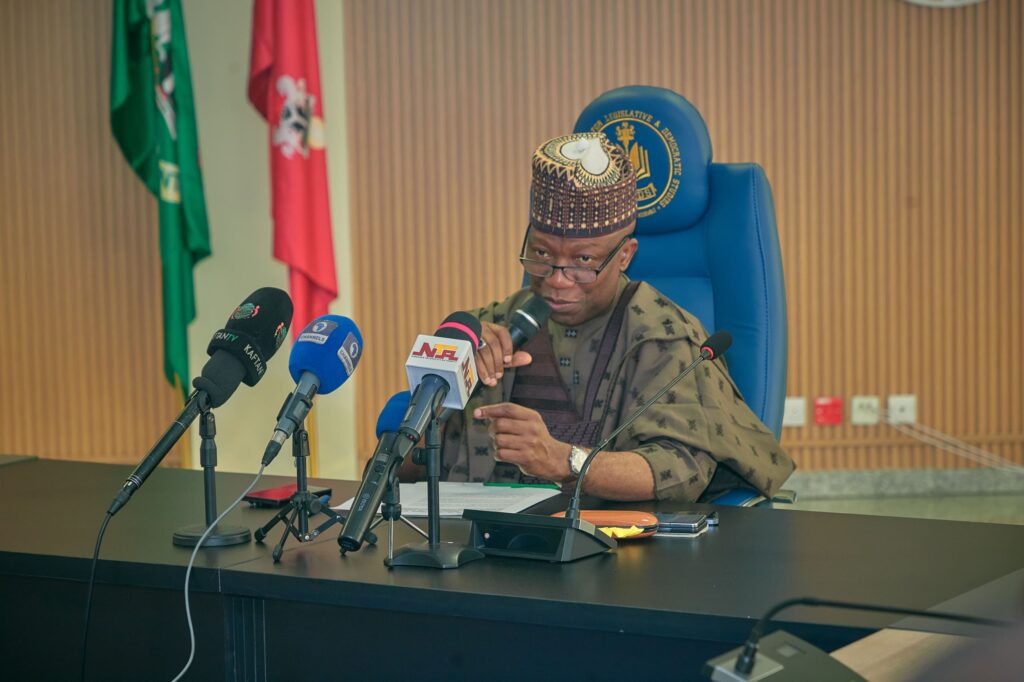
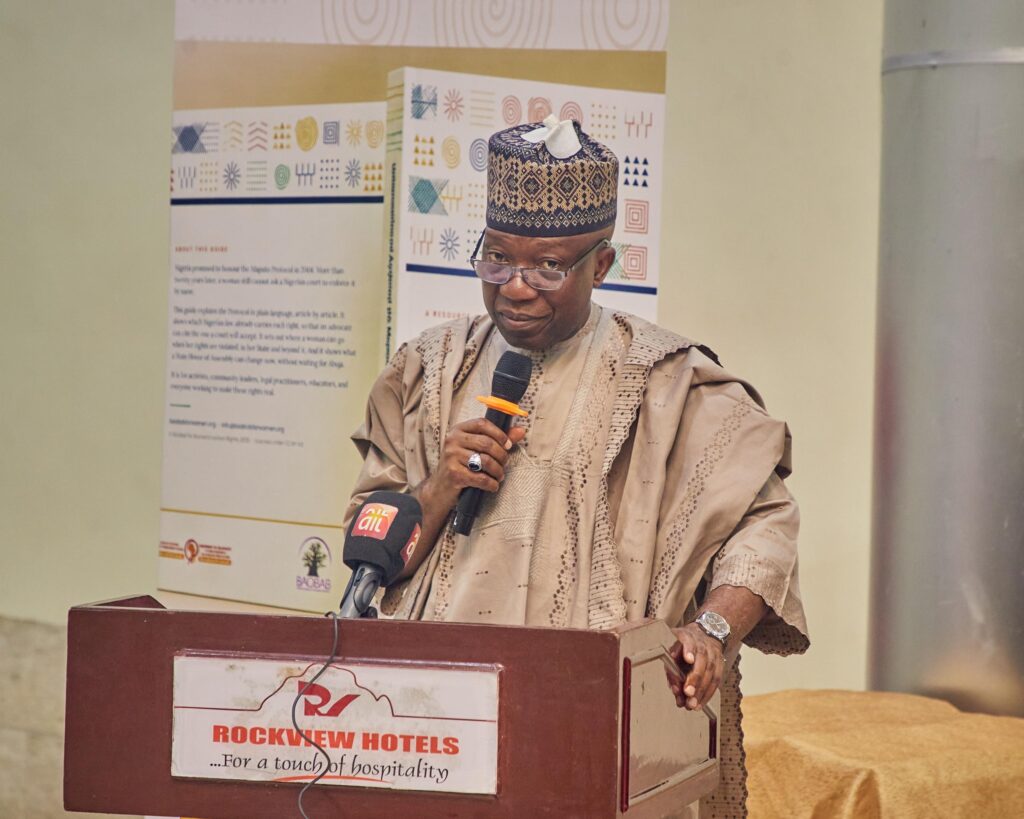
Representing the Director-General of NILDS, Prof. Abubakar O. Sulaiman, the Acting Director, Department of Legislative Support Services, Prof. Amuda Kannike (SAN), stressed the importance of creating opportunities for girls to participate meaningfully in public affairs and decision-making.
He said women and girls possess valuable perspectives that can contribute to governance and national development, noting that their advancement should be supported through education, equal opportunities and appropriate legislative frameworks.
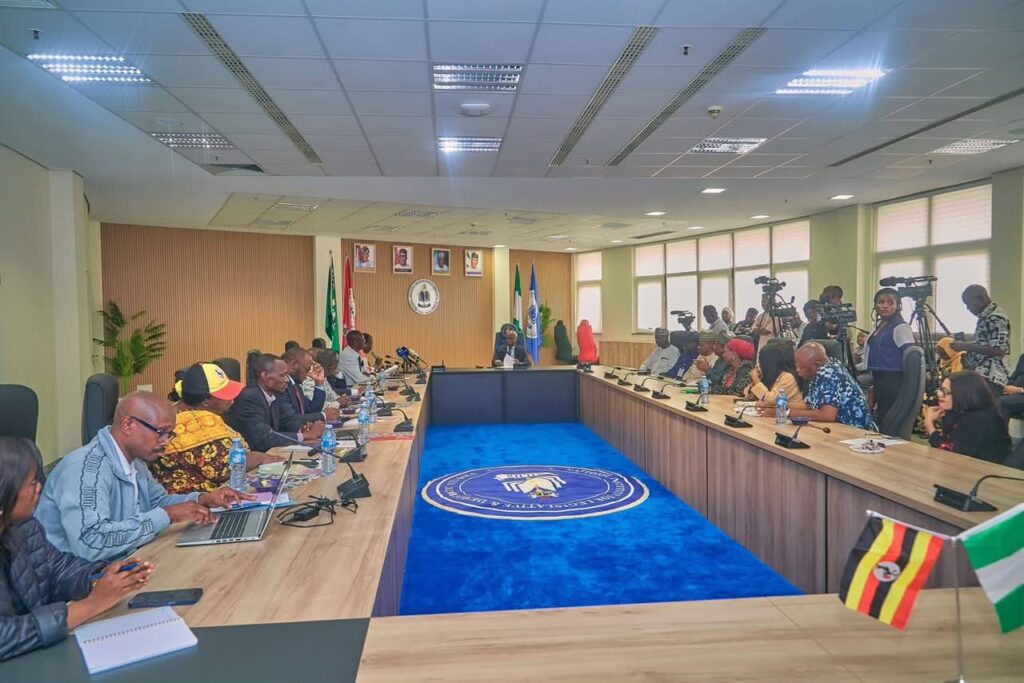
Prof. Kannike further stated that recommendations and issues emerging from the debate would be channelled to relevant committees of the National Assembly to enable the views of the students to contribute to legislative discussions on matters affecting women and girls.
The EU Policy Officer, Amira Haid, said the partnership with NILDS reflected the European Union’s commitment to advancing the rights and empowerment of girls and addressing inequalities affecting them.
Haid noted that while progress had been recorded in girls’ education, challenges remained in areas including healthcare, gender equality and access to opportunities, stressing the need for sustained efforts by relevant stakeholders.
The competition brought together 12 secondary schools from across the FCT, with the participating schools debating issues relating to discrimination against the girl child, female circumcision, gender roles, early marriage, leadership and the contribution of education to national development.
Among the motions considered were whether discrimination against the girl child reflects societal norms rather than government failures; whether female circumcision constitutes an abuse of fundamental rights; whether boys and men should lead programmes promoting the rights of girls and women; whether early marriage does more good than harm to the girl child; whether gender should determine people’s roles in society; and whether education is fundamental to the contribution of women and girls to national development.
The first-stage competition featured schools including Government Girls Secondary School, Kuje; Government Science and Technical School, Kwali; Afeon Digital College, Kuje; Baptist High School, Kubwa; Government Secondary School, Gwagwalada; Government Day Secondary School, Dutse-Alhaji; Loyola Jesuit College, Gidan Mangoro; Pace Setters College, Wuye; Christ the King College, Gwagwalada; and Ambassador Global College, Kwali, among others.
Following the first stage, six schools progressed to the next round of the competition, with subsequent stages scheduled ahead of the grand finale.
The debate formed part of NILDS’ broader efforts to promote civic awareness, democratic participation and understanding of public policy among young people, while providing students with a platform to engage critically with issues concerning the rights, development and future of the girl child.